Band Joist

Band joist
Band/Rim Joist: Band joists, also sometimes called rim joists, are just joists at either the side or end of the deck. There's nothing special about them. In fact, unless you've got stairs attached to one of them, band/rim joists only have to carry a fraction of the load that the regular floor joists do.
What is the point of a rim joist?
In the framing of a deck or floor system, a rim joist is attached perpendicular to the joists, and provides lateral support for the ends of the joists while capping off the end of the floor or deck system.
What is the size of the band joist?
Band joists supporting a ledger shall be a minimum 2-inch-nominal (51 mm), solid-sawn, spruce-pine-fir or better lumber or a minimum 1-inch (25 mm) nominal engineered wood rim boards in accordance with Section R502. 1.7. Band joists shall bear fully on the primary structure capable of supporting all required loads.
What is another name for a rim joist?
A rim joist, or a band board, is a component of your subfloor that helps bear the weight of your walls. This joint works in conjunction with two outer joists, forming a band for your floor's framework.
What's the difference between a rim joist and a band joist?
The wood that butts up to floor joists is called a rim joist. They are also referred to as a band joist. If you look at a house from the outside as it's being framed, you'll notice a band of solid lumber running along the side of the floor frame. This is the rim joist.
Are rim joists necessary?
Properly constructed rim joists are load-bearing and can support exterior walls. Rim joists also provide a solid wood surface into which builders can nail sheathing. This sheathing connects the wall and floor framing, creating a more structurally sound building.
Is band joist structural?
A band joist is a structural component that provides lateral support for joists, to prevent them from undergoing deformations under the weight of load-bearing walls that rest on them. In a floor frame system, band joists are fitted perpendicular to the joist ends.
How do rim joists attach to a house?
This is the top of the foundation. Sitting on top of the foundation. Behind these shingles is a beam
Should rim joist be doubled?
Doubling the rim joist is an alternative method to splicing. The layers strengthen the joint between planks by staggering the seams of each layer by 4-feet. Butt joints are commonly used when boards are doubled. Building Codes require blocking between joist ends or a rim joist to prevent twisting, install blocking.
Can you drill through rim joist?
Since the rim joist is continuously supported by the walls or foundation it rests on, the strict notching and hole-boring rules don't apply. Just don't create a large hole or notch directly under a group of studs that support the end of a beam, or a window or door header above.
Do you need joist hangers on rim joist?
When a beam supports the joists from below, securing the rim joist to the field joists with through screws will save time over using hangers. Also, in this situation hangers are redundant because the rim joist carries little weight. The main function of the rim joist here is to keep the joists aligned.
Can you use pressure treated wood for rim joist?
The rim joist sits directly on top of the sill plate. Unfortunately, rim joists are not typically built with pressure treated wood so they can grow mold and fungus when they become damp.
How do you attach rim joists?
Step 1: Attach Rim Joist Measure and cut the rim joists to length. Set one edge of a rim joist on the beam with the top edge of the other end flush with the ledger. Fasten the boards with two 3-inch deck screws. Fasten the other rim joist the same way.
How do you attach a floor joist to a rim joist?
Them to the plate using 1/8 d nail through each side of the bottom flange. And into the plate at
How do rim joists attach to top plate?
The rim joist should be toe nailed into the top plate below using the appropriate nail size (likely 12d or 16d nails, depending on the material). Toe nailing is accomplished by nailing through the face of the rim board diagonally down into the top of the wall plate.
Does sheathing go over rim joist?
The wall sheathing should extend below the rim joist, which is inset on this house to allow for a continuous band of insulation. The wall sheathing below dictates the overhang.
How thick is house rim joist?
The standard sizes for rim board products certified by APA is 25 to 32 mm (1 to 1-1/4 inches) in thickness, 241 to 610 mm (9-1/2 to 24 inches) in depth, and 2.4 to 7.3 m (8 to 24 feet) in length.
What is a band board on a house?
Band boards are treated boards placed on the outside of your home behind your home's exterior covering that cover the seam where your foundation and sill plate meet. Because band boards come in contact with the sill plate, the foundation and the outdoors, they are especially vulnerable to wood rot.
How much does it cost to replace a wheel joist?
Rim joist replacement will run you $10 to $67 per square foot. A full repair job will cost between $1,000 and $10,000, depending on the extent of the damage and square footage of the area.
How do you seal rim joists?
An easy way to fix this is to spray a one inch layer of touch. And foam two-component spray foam in
14 Band joist Images
How to Attach Joists Rim Joists Tigerwood Decking Beams Diy deck

Sealing the space between floor or roof joists is very important

Five Ledger Board Techniques Detailed Diagrams decklayouts

Fastener Spacing Deck Ledger to Band Joist deckconstruction

House exterior Deck construction Flooring

what is the span of a 2x6 deck joist Google Search Deck Deck

Rimjoist headers Often the rim joist above an opening can fulfill

Power Joist Construction Details Floor framing Flooring Frame

Deck Connections Ledger to rim or band joist deck codes Deck

Diagram showing the parts of a frame bearer floor joist bottom plate

Deck Joist Installation Deck Building Step by Step Part 4 Building
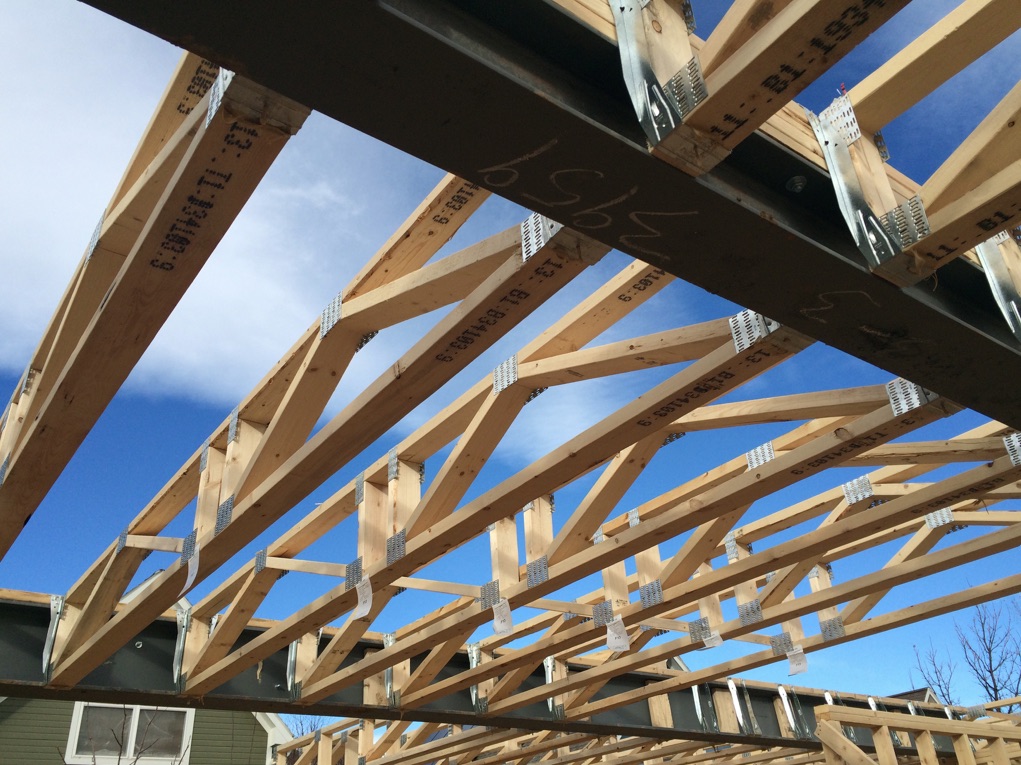
engineeredfloorjoistjpg 1021765 Residential construction

Floor Framing Structure Floor framing Flooring Timber house

Post a Comment for "Band Joist"