Hydronic Air Conditioning

Hydronic air conditioning
A hydronic cooling system's water temperature only needs to be a few degrees below the desired room temperature, making it very efficient to run and far preferable than conventional systems that use a lot of energy and produce uneven temperatures.
Is hydronic or forced air more efficient?
Hydronic systems are inherently more efficient than forced air due to basic physics – water is far superior to air as a material for absorbing heat.
What are the advantages of hydronic systems over forced air?
Hydronic Systems are More Efficient That's, in large part, because water conducts heat better than air. The systems are also sealed, resulting in low emissions. In addition, forced air increases pressure and can push heat through the gaps in walls, windows and insulation.
What is hydronic radiant cooling?
Hydronic radiant systems Radiant cooling systems are usually hydronic, cooling using circulating water running in pipes in thermal contact with the surface. Typically the circulating water only needs to be 2–4 °C below the desired indoor air temperature.
What is the most efficient cooling system for a house?
Ductless units are considered the most energy-efficient air conditioning systems on the market. They also can be installed in just about any home because they do not require expensive ductwork. For older homes — and those where it isn't feasible to install ductwork — ductless systems are considered the ideal choice.
Can hydronic heating run off electricity?
Yes, it can. The most common options for residential hydronic heating fuel sources are natural gas or electricity by way of an energy efficient boiler or air to water heat pump. Generally speaking, most ducted heating is gas run, but also uses electricity for the fans.
What is the most efficient form of air conditioning?
Ducted air conditioning tends to be the most efficient option available in the residential market, but also usually involves the highest upfront costs.
Is hydronic heating cheap to run?
Hydronic heating systems are considered one of the most efficient and cost effective heating solutions as water is an excellent carrier of heat. The hydronic heating system reuses the heat that is mostly lost, thereby reducing the cost of fuel.
What is the best hydronic air handler?
World's Best Hydronic Air Handler. Our top choice for a hydronic air handler is from Lennox. The CBWMV model air handlers are available in five sizes to match the requirements of any home. They are multi-position, have built-in freeze protection, a variable speed fan motor, and use state of the art electronic control.
What is the difference between a hydronic heating system and air conditioning?
HVAC is the Heating, Ventilating, and Air Conditioning (HVAC) method for conditioning the indoor environment of a building, usually with the intent of keeping the occupant comfortable. A hydronic HVAC system utilizes water as the primary fluid to transfer energy throughout the building.
What is the most efficient HVAC system and why?
As for the most efficient types of systems, these include: Split System Heat Pumps: In addition to being affordable, a split heat pump system is efficient because it provides heat control for one area. The heat is then transferred to the desired location using a blower and ducts.
What is the most efficient heating and air system?
Geothermal systems provide the most efficient type of heating. They can cut heating bills by up to 70 percent. Like other types of heat pumps, they are also very safe and environmentally friendly to operate.
How cold can radiant cooling get?
Radiant ceiling surface temperatures are limited by the average controlled humidity of the indoor air, and generally can be as low as 62 F as a design limitation.
Is radiant cooling expensive?
How Much Does Radiant Floor Cooling Cost? Expect to pay $10-$20 per square foot to install radiant floor cooling, including labor. All-in-all, you will likely spend more than $10,000 for installation.
Can you cool your house with radiant?
Radiant cooling cools a floor or ceiling by absorbing the heat radiated from the rest of the room. When the floor is cooled, it is often referred to as radiant floor cooling; cooling the ceiling is usually done in homes with radiant panels.
What is the cheapest option for cooling homes?
Fans. Fans do not cool the air or reduce humidity, but they do provide air movement which helps us feel cool. Fans should be the first appliance of choice for cooling. They are cheap to run and generally use less energy than evaporative coolers or air-conditioners.
What is the cheapest way to cool your house?
10 Ways to Keep Your House Cool and Lower AC Costs
- Bump up the temperature.
- Install a smart thermostat. ...
- Put your thermostat in the right place. ...
- Limit heat-producing appliances during the day. ...
- Adjust the temperature at night. ...
- Keep windows sealed. ...
- Take advantage of shade. ...
- Insulate your home against air leaks.
What is the cheapest way to keep your house cool?
Tips to Keep Your House Cool On a Budget
- Keep Furniture Clear. Let your AC blare out free and unobstructed.
- Leave the AC Off at Night. ...
- Use Smaller Units. ...
- Ensure Maximum AC Functionality. ...
- Don't Cool an Empty House. ...
- Preprogram Your Thermostat. ...
- Choose Your Optimal Temperature. ...
- Close the Blinds.
What is the most efficient hydronic heating system?
Because of the labor involved, in-floor systems are generally one of the more expensive applications of hydronic heat, but the uniform heat distribution also makes it the most efficient.
Can hydronic heating be run from solar panels?
Solar hot water panels can be utilised for hydronic systems, but it is unrealistic to expect a single array or panel set will provide much energy input. If many solar hot water panels and storage tanks are utilised, the payback period is generally very long as the energy consumption is low.
13 Hydronic air conditioning Images
Radiant Engineering custom designs hydronic radiant heating systems

Hydronic heating Flooring Heating and air conditioning

95 efficient sit down boiler Hydronic radiant floor heating
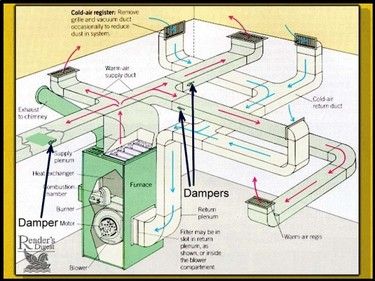
Balancing Forced Air Heating Air Conditioning Air Flow Forced air

Pin on SSP 100 Years In The Making

Pin by on E Refrigeration and air conditioning Air

Hydronic heating and cooling from Radiant Engineering custom system

ThermoFin U aluminum heat transfer plates PEX tubing and plywood

Hydronic Radiant Floor Heating Hydronic Radiant Heat Hydronic Heating

Hydronic Heat Pump Air heat pump Air handler Heat pump

YouTube Hydronic Radiant Floor Heating

Need heatpump inverter in Tasmania Hobart Contact hobartaircomau

Post a Comment for "Hydronic Air Conditioning"